
JoomConnect Blog
Why Your Website Isn't Converting (It's Probably Not What You Think)
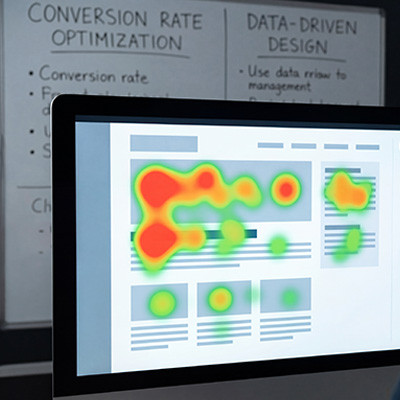
Most MSP websites have the same problem. They look professional enough, they load reasonably fast, and they list the services. Nevertheless, the phone isn't ringing, and the contact form stays quiet.
The instinct is to blame traffic. The real issue is almost always the website itself.
Your Homepage Is Talking About You, Not the Visitor
Open your homepage and read the first three sentences. How many of them start with "We"?
This is the most common conversion problem on MSP websites, and it's almost universal. "We've been serving businesses in [city] since [year]." "We offer managed IT, cybersecurity, and cloud solutions." "We are committed to delivering reliable technology."
A prospect landing on your site for the first time doesn't care about any of that yet. They care about whether you understand their situation. They're probably there because something is broken, something is slow, or they've been burned before. The question running through their head isn't, "Who are these people?"
It's, "Can they actually help me?"
The fix isn't a full redesign. It's about rewriting your above-the-fold content to lead with the visitor's problem rather than your credentials. "IT problems don't wait for convenient times. Neither do we." lands differently than "We provide managed IT services."
Same company, same services. Different first impression.
There's No Clear Next Step
A prospect reads through your site and decides they're interested. What do they do next?
If the answer is "fill out a contact form," you're asking for a bigger commitment than most first-time visitors are ready to make. A contact form says, "I want to hire you." A lot of people who aren't quite there yet will close the tab instead.
The sites that convert well give visitors a lower-stakes first step.
A free network assessment. A 15-minute call to talk through what they're dealing with. A guide they can download.
Something that says "you don't have to commit to anything, just raise your hand."
The call to action also needs to be visible without scrolling. If someone has to hunt for a way to reach you, most won't. Put your primary CTA in the header, repeat it mid-page, and again at the bottom. Not aggressively… just consistently.
Your Service Pages Don't Answer the Question Prospects Are Actually Asking
Most MSP service pages describe the service. They don't answer the question a prospect is really asking: "What does my business look like after I hire you?"
A managed IT page that lists features (24/7 monitoring, helpdesk support, patch management) describes the product. A page that says "your team stops losing hours to IT issues, and you stop being the person who handles every tech emergency" is describing the outcome.
Prospects buy outcomes.
This doesn't mean hiding what's included. It means leading with the results and backing them up with specifics. Someone who cares about what's included will keep reading. Someone who just wants to know if you can solve their problem needs to see that answer in the first paragraph.
It also helps to be specific about who you work with. A dental practice seeking IT support is more likely to reach out to a provider that mentions healthcare clients than to one that says "we serve businesses of all sizes." Specificity signals fit.
You're Not Building Any Trust Before Asking for the Sale
A cold prospect landing on your website has no reason to trust you yet. Trust is built in layers, and most MSP websites skip straight from "here's what we offer" to "contact us."
The elements that build trust aren't complicated, but they have to actually be there.
- Client testimonials with specific outcomes, not just names and star ratings.
- Case studies that describe a real situation and a real result.
- A recognizable name or two in your client list, if you have permission to use them.
Years in business, certifications, and local presence all matter, but they work as supporting details, not as the headline.
Social proof should be placed where doubt appears. Put testimonials on your service pages, not just a dedicated testimonials page that no one visits. Put a client quote on your contact page, right where someone is deciding whether to reach out. The moment of hesitation is exactly where reassurance needs to show up.
If your site doesn't have any of this yet, start with one or two real client quotes and add them to your highest-traffic pages this week. It's the fastest high-impact change most MSP sites can make.
If you're not sure which of these is the biggest problem on your site, we can help you figure that out. Book a Call, and we'll take a look at what you're working with and where the biggest opportunities are.
About the author


Blog Categories
Grab this article

Comments